
A Museum of Natural History paleontologist lectures a mix of 3-year-olds and grandparents an amazing evolutionary story. This is a tale of dinosaurs evolving into feathers, then wings—then flight. It took several years. It was, after all, evolutionary. DNA evidence has come to surface that even the mighty T-Rex evolved and took flight!
This image collection of feathers—and wings is an homage to those vertebrates and invertebrates evolving and taking to the air. Lifting off, landing, foraging, roosting and even in portraiture. Feathers and wings are tools of the elegance and majesty in the dynamics called flight. Given a few more millennia maybe man gets there too. Certainly, man has always been envious. And hopeful–if the T-Rex can fly…why not?
Flight, expressed by author Marjory Stoneman Douglas who wrote, “they would move in their white thousands and tens of thousands, with the sounds of great stiff silk banners, birds in flock, birds in wedges, birds in wavering ribbons, blue and white crowds, rivers of birds pouring against the sunset back to their rookeries.”
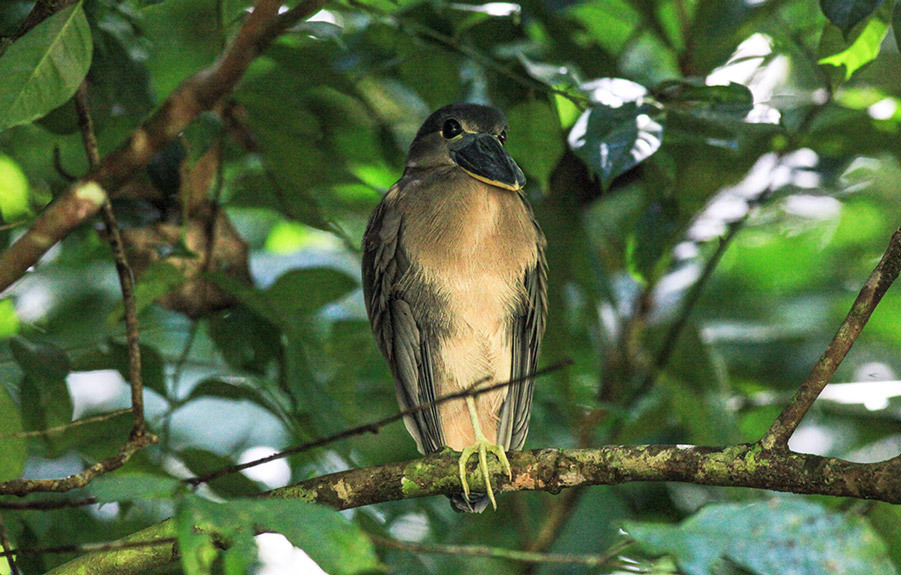 Cochlearius cochlearius lives in mangrove swamps. Also known as boatbill, its scoop-like bill coined the name. The Boat-billed heron is normally nocturnal and generally nonmigratory .
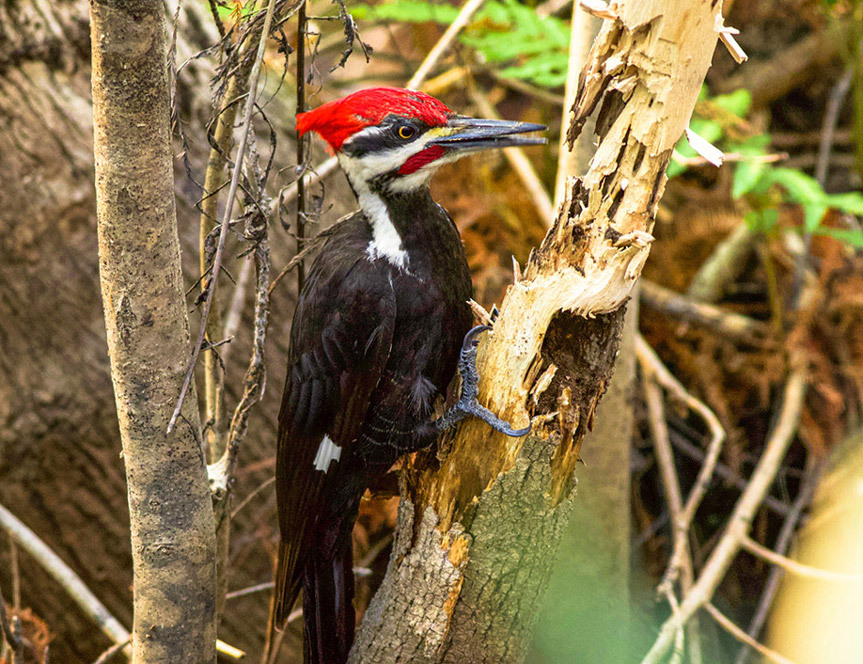 Pileated Woodpecker drill
distinctive rectangular-shaped holes to get at carpenter ants and other insects. Pileated refers to the bird's prominent red crest.
Pileated Woodpecker drill
distinctive rectangular-shaped holes to get at carpenter ants and other insects. Pileated refers to the bird's prominent red crest.
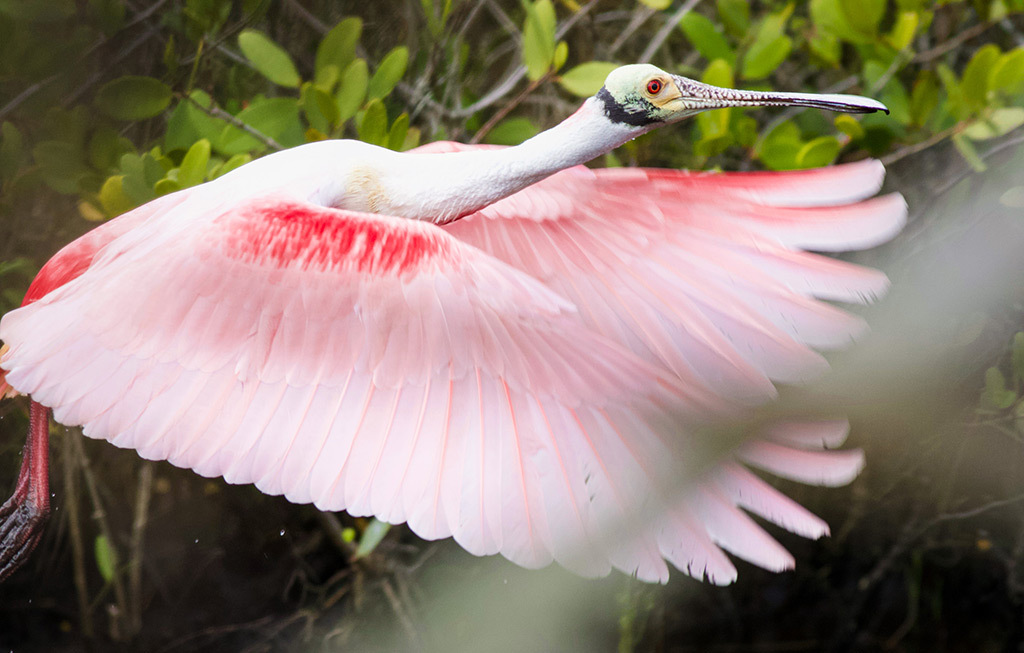 Roseate Spoonbil almost exterminated in the 1860's by plume hunters. Its feeding style is walking forward slowly while swing its head side to side while sifting muck with wide flat bills.
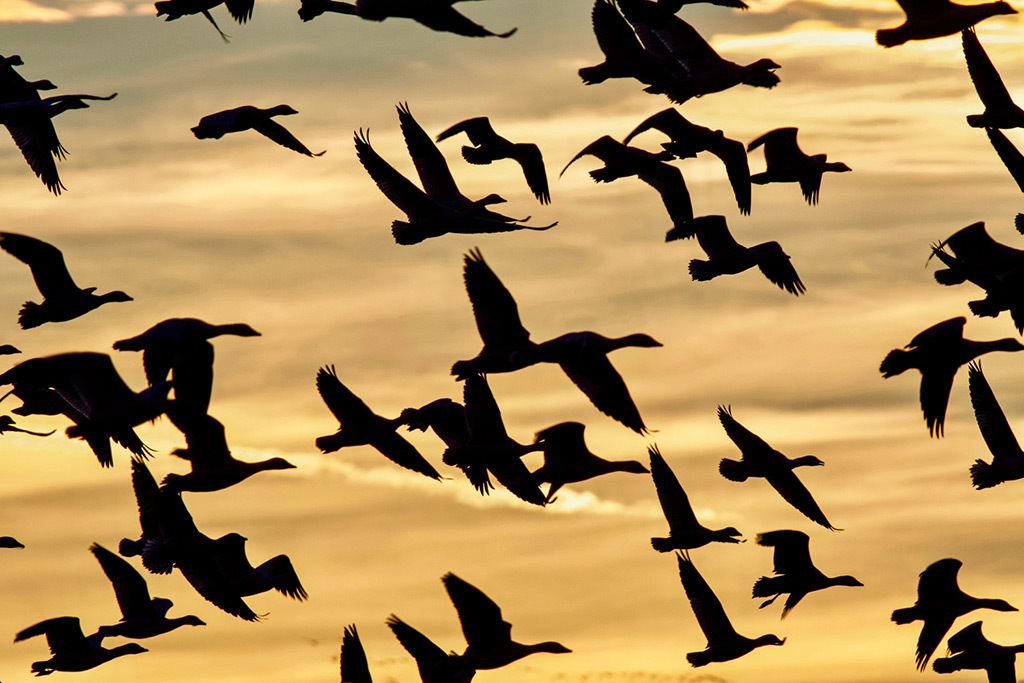 Chen Rossi roost in great numbers and give a spectacular morning display as over twenty thousand geese join sandhill transform a collection of thundering wingbeats in search of foraging.
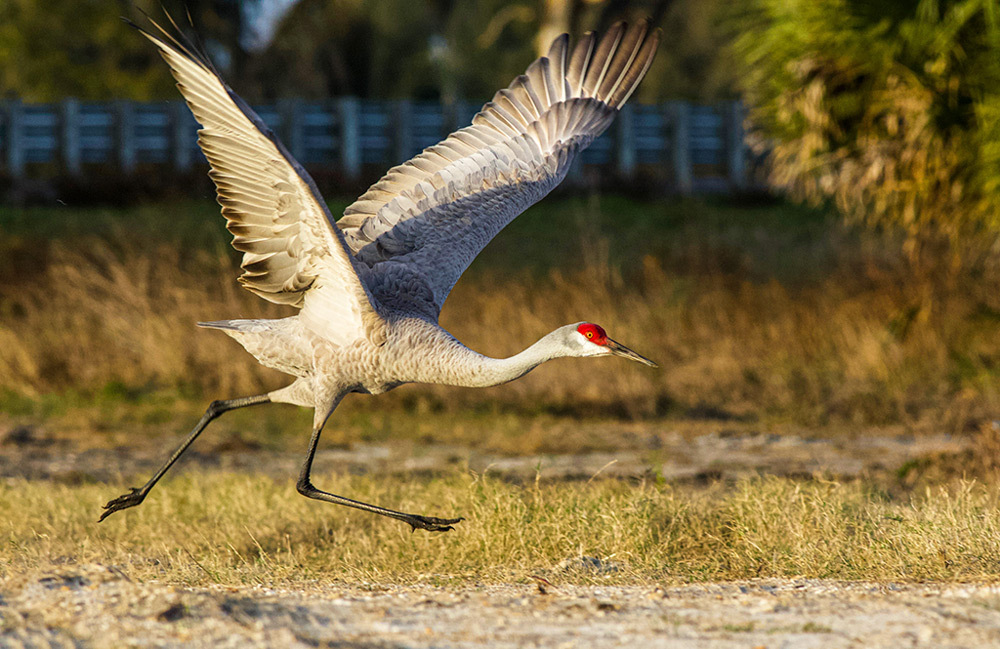 Antigone (Grus) canadensis are some of the largest flying birds and yearly make one of the great animal migrations. Records date ancient ancestors back to the Miocene Epoch.
 Tringa melanoleuca habitats include marshes, mudflats, streams, ponds, and shores. Foraging diets on insects, crustaceans, mollusks, and worms.
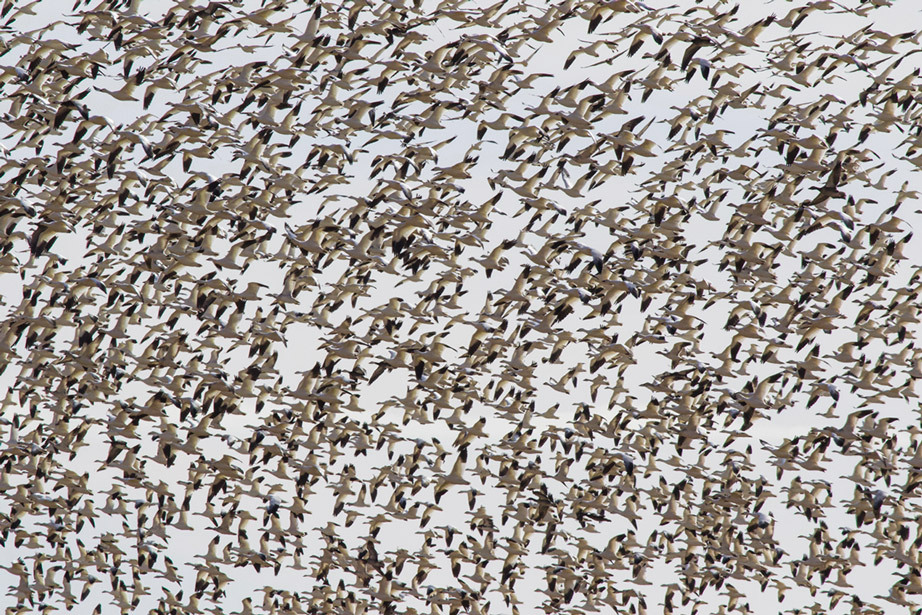 Flight Snow Geese in mass then become a skein. When snow geese blot out the sky-that’s just gaggle geese!
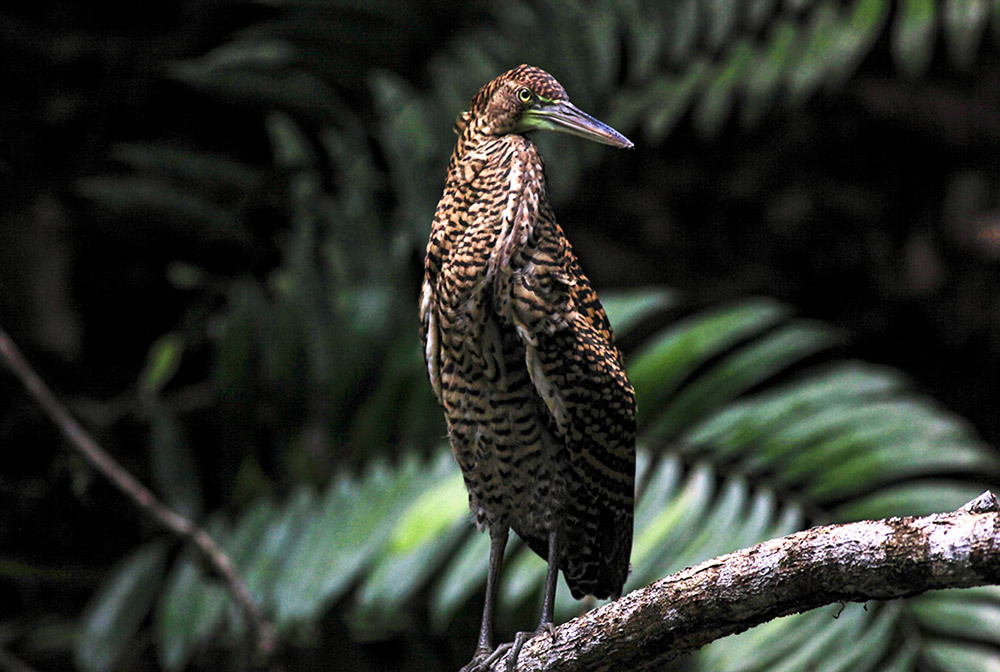 Rufescent Tiger-Heron is a medium sized solitary wetland bird found in Central and South America adapted to wooded tropical swamps.
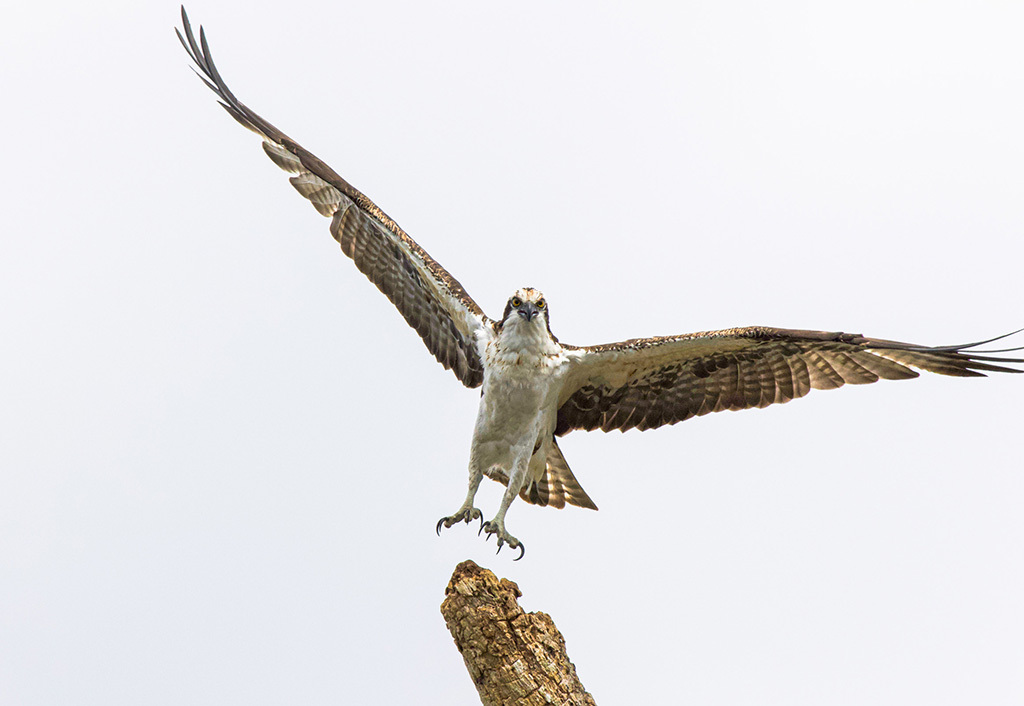 Pandion haliaetus is adept at soaring and diving but less aerial maneuverability. This large raptor can grow to 24 inches.